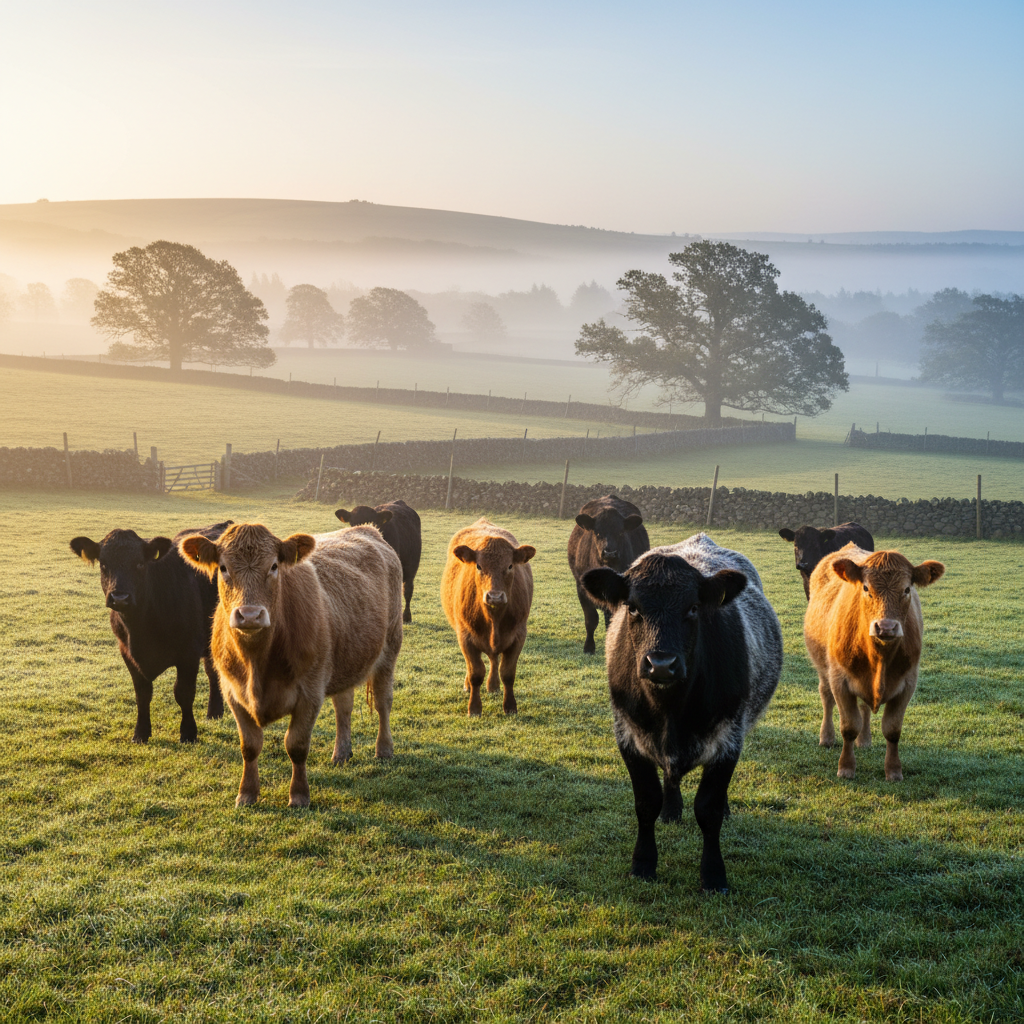
A misty autumn morning with a small mixed herd of rare heritage cattle standing in a sloping pasture edged by dry stone walls, breath visible in cold air, golden light entering from the left
Registry Active · 847 Breeds
Heritage Breed Conservancy · Est. 1973

These breeds survived centuries.They need us to survive this one.

190+Breeds at risk
5,000Active breeders
52 yrsConservation work
Scroll
Gloucestershire Old SpotsDexter CattleBuff OrpingtonHerdwick SheepRed Poll CattleTamworth PigDorking ChickenLonghorn CattleSoay SheepNorfolk Black TurkeyBelted GallowayCotswold SheepLarge Black PigClydesdale HorseRare Breed ShorthornGloucestershire Old SpotsDexter CattleBuff OrpingtonHerdwick SheepRed Poll CattleTamworth PigDorking ChickenLonghorn CattleSoay SheepNorfolk Black TurkeyBelted GallowayCotswold SheepLarge Black PigClydesdale HorseRare Breed Shorthorn
I
The Origin Story

A language the land
once spoke.

Every heritage breed is a library of adaptations — disease resistance, foraging intelligence, maternal instinct, tolerance for cold and wet and poor pasture. When a breed disappears, that library burns. This is how we got here, and how some of us refused to let it end.

1950s

The Great Displacement

Post-war industrialisation rewrote the farmyard. Governments subsidised uniformity. Breeds that had co-evolved with specific soils, climates, and farming traditions were replaced overnight by a handful of commercial lines bred for confinement and speed. In a single generation, hundreds of landrace varieties that had taken centuries to develop simply stopped being born.

1970s

The Counting Begins

A handful of agricultural historians started tallying what remained. The numbers were shocking. Gloucestershire Old Spots: fewer than a dozen registered sows. Dexter cattle: 75 individuals recorded in 1970. Buff Orpingtons: absent from most county shows for a decade. The Rare Breeds Survival Trust was founded in 1973 — an act of urgent archiving before the last fluent speakers of these genetic languages disappeared.

1990s

The Breeders Hold the Line

It was never institutions that saved these animals. It was individual smallholders — people who kept a pair of Dexters on two acres in Devon, who refused to replace their Buff Orpington flock with a commercial hybrid, who walked their Gloucestershire Old Spots through the same orchards the pigs' ancestors had rooted through since the 1790s. They kept the bloodlines alive without grants, without recognition, and mostly without company.

2020s

The Moment We Are In

Climate resilience is rewriting the economics of rare breeds. Breeds adapted to marginal land, variable weather, and low-input systems are suddenly strategically valuable. But the genetic diversity that makes them resilient is only preserved if breeders maintain historic selection practices. The challenge now is not survival — it's stewardship. And stewardship requires people who know what they're tending.

"Losing a landrace means losing a language the land once spoke."

— Conserve Field Notes, 2024
II
Breed Profiles

Every animal
with a name.

Three full profiles from the Breed Atlas — proof of what the download contains before you share your email.

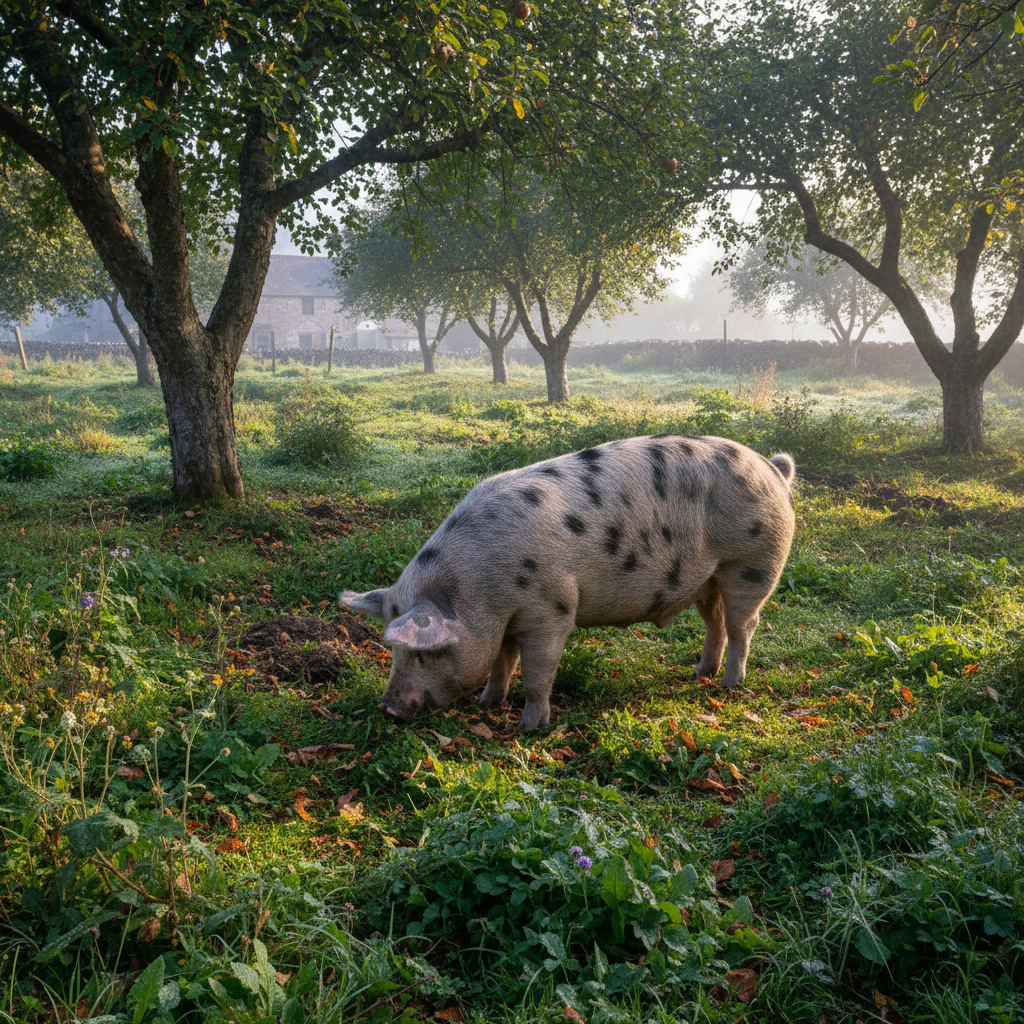
A Gloucestershire Old Spots pig with distinctive black spots foraging in a green orchard, dappled morning light filtering through apple trees
PigThreatened

Vale of Berkeley, Gloucestershire · c. 1790

Sus scrofa domesticus — GOS

Gloucestershire Old Spots

The Orchard Pig

Docile temperamentThrives on pastureExcellent maternal instinctWell-marbled porkHardy in wet conditions
424 registered sows (UK, 2024)

The old men in Berkeley Vale would tell you the spots were bruises from falling apples — which is nonsense, of course, but the kind of nonsense that carries a truth inside it. These pigs lived under the cider trees. They ate the windfalls. They cleaned the orchard floor while the orchard fed them. A symbiosis so old it became mythology. When the orchards were grubbed out for arable after the war, the pigs nearly went with them. By the 1970s you could count the registered sows on two hands. What saved them was stubbornness — a particular kind of farmer who couldn't see the point of a pig that couldn't root outside, and refused to switch. Today there are 424 registered breeding females in the UK, which sounds like recovery until you learn there were 636 four years ago. The language is still endangered. But it's still being spoken.
Registered Population — Historical Trend19702024
03667311970: 12 — Near extinction1980: 45 1990: 180 2000: 380 2010: 580 2020: 636 — Peak recovery2024: 424 — 2024 registry197020002024
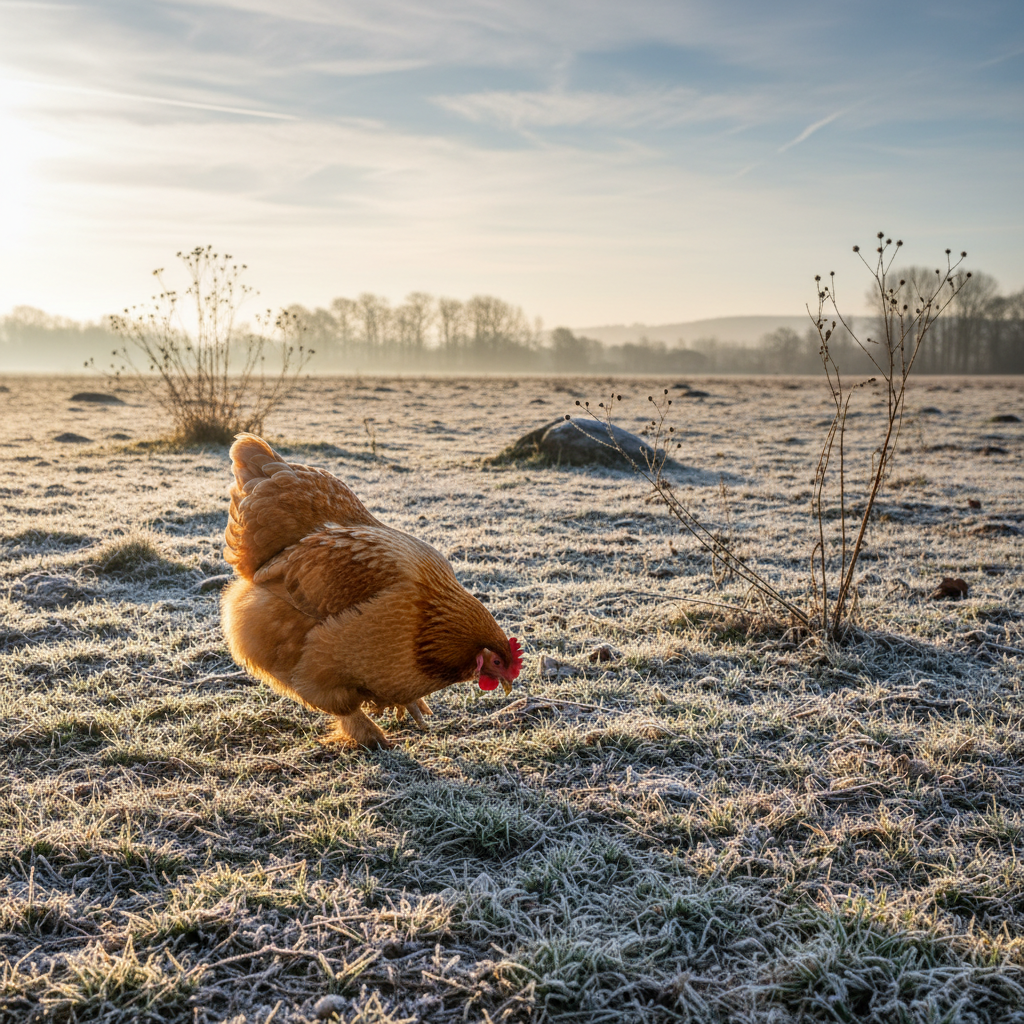
A golden Buff Orpington hen with thick amber plumage scratching across a frost-hardened paddock in early morning winter light
PoultryWatch

Orpington, Kent, England · c. 1886

Gallus gallus domesticus — Orpington

Buff Orpington

The Golden Hen

200–280 eggs per yearCold-hardy thick plumageCalm with childrenDual-purpose meat & eggsExcellent brooder
Recovering — removed from endangered list 2016

William Cook was a coachman, not a farmer — which might explain why he approached chicken-breeding like an engineering problem rather than a tradition. He crossed Buff Cochins, Dark Dorkings, and Golden Spangled Hamburgs, aiming for a bird that could manage both the table and the laying box while standing up to English weather. He got something better than he planned: a chicken so calm and so beautiful that it became fashionable, then commercial, then overlooked when fashion moved to factory lines. The Buff Orpington cannot produce eggs at industrial pace. It grows slowly. These are not flaws — they are the marks of an animal shaped for a different kind of farm, one where the birds have names and the yard has mud and the eggs taste of something. Removed from the Livestock Conservancy's endangered list in 2016, largely because backyard keepers remembered what a chicken was supposed to be.

Registered Population — Historical Trend19602024
01.0k2.1k1960: 800 1975: 320 — Decline era1985: 190 1995: 240 2005: 480 2016: 1,100 — Delisted as endangered2024: 1,800 — Current trend196019952024
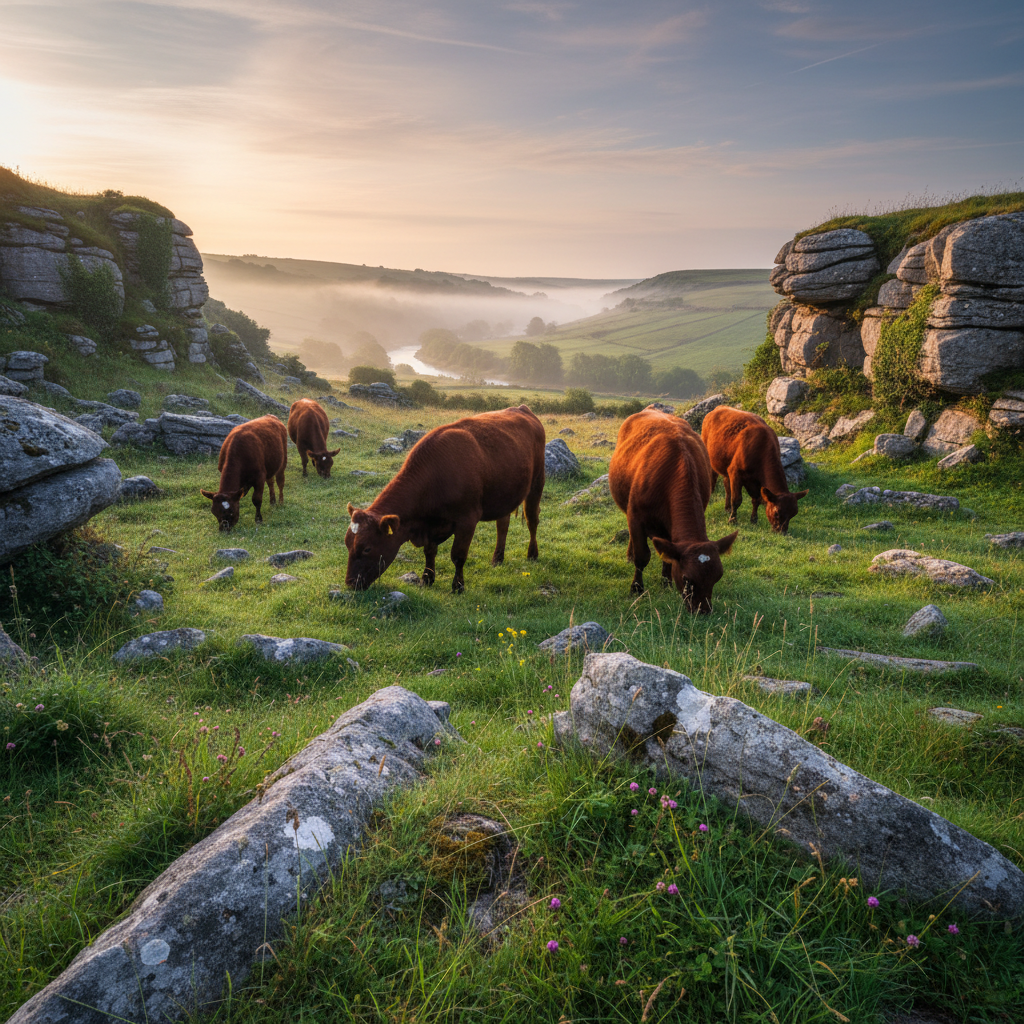
Small Dexter cattle grazing on a limestone pasture with dry stone walls in the background, morning mist rising from the valley below
CattleWatch

Southern Ireland · c. 1800

Bos taurus — Dexter

Dexter Cattle

The Smallholder's Cow

40 inches at shoulder700–900 lbs mature weightDual-purpose milk & beefGentle temperamentThrives on poor pasture
2,600+ registered globally (growing)

The remains of Dexter-sized cattle have been found at Stonehenge. Whether those ancient bones are ancestral is debated, but the symbolism holds: these animals have been part of the British and Irish landscape for longer than the fences that divide it. Developed in the early 1800s from Kerry cattle by selecting for smaller size and better beef, the Dexter stands forty inches at the shoulder and weighs under 900 pounds — a full-sized animal in a compact form, producing both milk and beef on acreage that would barely sustain a commercial cow through winter. By 1970 only 75 individuals were registered. The recovery since then has been steady, driven by smallholders who found in the Dexter exactly what they needed: an animal gentle enough to handle alone, hardy enough for marginal land, and productive enough to justify its keep. The challenge now is maintaining the historic selection criteria — keeping the Dexter a Dexter, not drifting it toward commercial norms under the pressure of a growing market.

Registered Population — Historical Trend19702024
01.5k3.0k1970: 75 — Near extinction1980: 180 1990: 420 2000: 850 2010: 1,400 2020: 2,100 2024: 2,600 — Steady growth197020002024
+ 187 more profiles in the AtlasDownload the complete Breed Atlas →
III
The Breed Atlas

A field guide
worth keeping.

190 heritage breed profiles. Population graphs, sourcing contacts, bloodline registries, and the oral histories of the breeders who kept them alive. A comprehensive PDF field guide — free, because the information should be free.

190 Breed Profiles

Full history, traits, and registry data

Population Graphs

Decades of registry numbers visualised

Sourcing Directory

Verified breeders across the UK and Ireland

Bloodline Registries

Links to official breed society records

"The Atlas is the most useful single document I've found for anyone serious about heritage breeds. I've recommended it to every new smallholder at our county show."

MH

Margaret Howarth

Dexter breeder · Derbyshire, 14 years

Download the Breed Atlas

Free. No spam. Just the field guide.

I am a —

Your email stays with us. No third parties. No marketing cadences.

IV
The Registry

Every breed
with a story.

Explore the Registry
190+Breeds monitoredAcross cattle, pigs, poultry, sheep & horses
52Years of recordsContinuous registry data since 1973
5,000+Active breedersUK, Ireland & North America
£700kAnnual conservationNeeded to maintain full programme

Also in the Registry

A glimpse of 187 more profiles waiting in the Atlas.

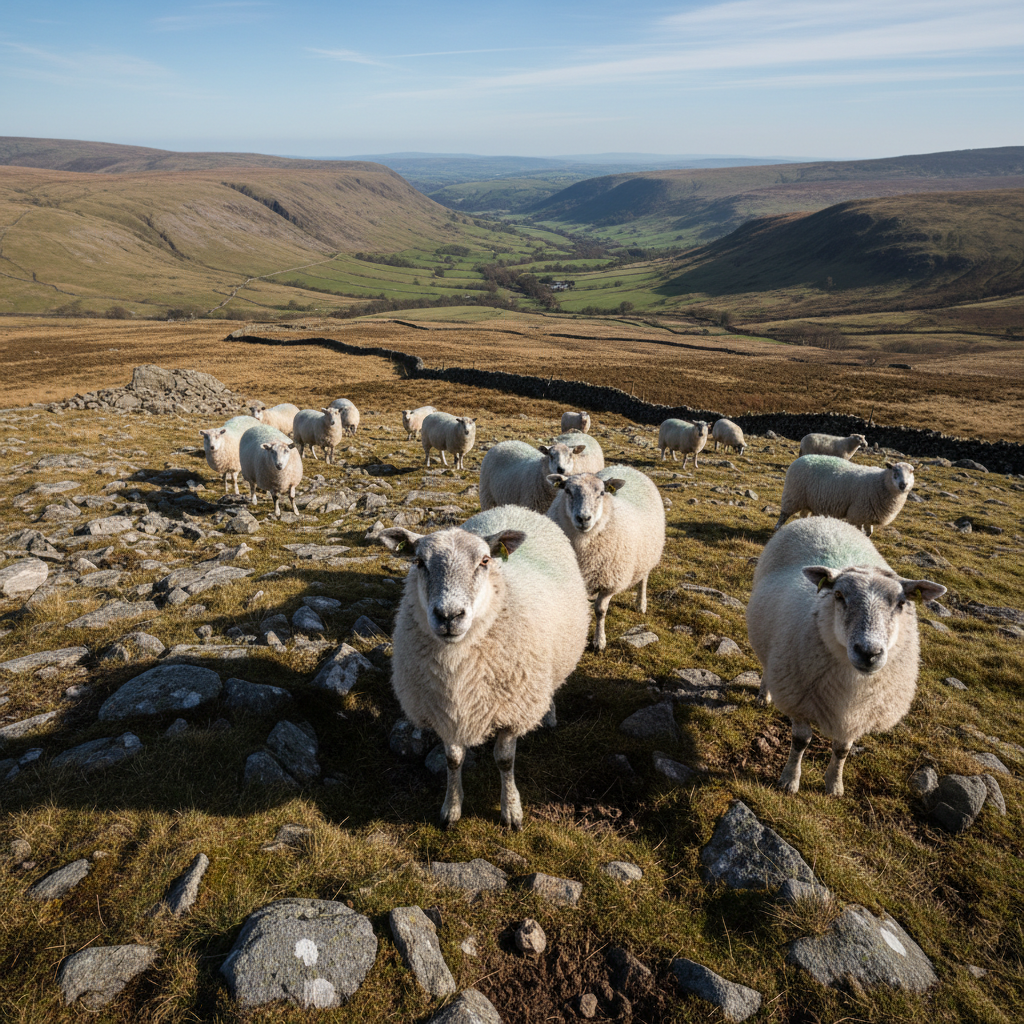
Herdwick sheep with grey-white fleece on a rocky hillside in Cumbria
Vulnerable

Herdwick Sheep

Cumbria

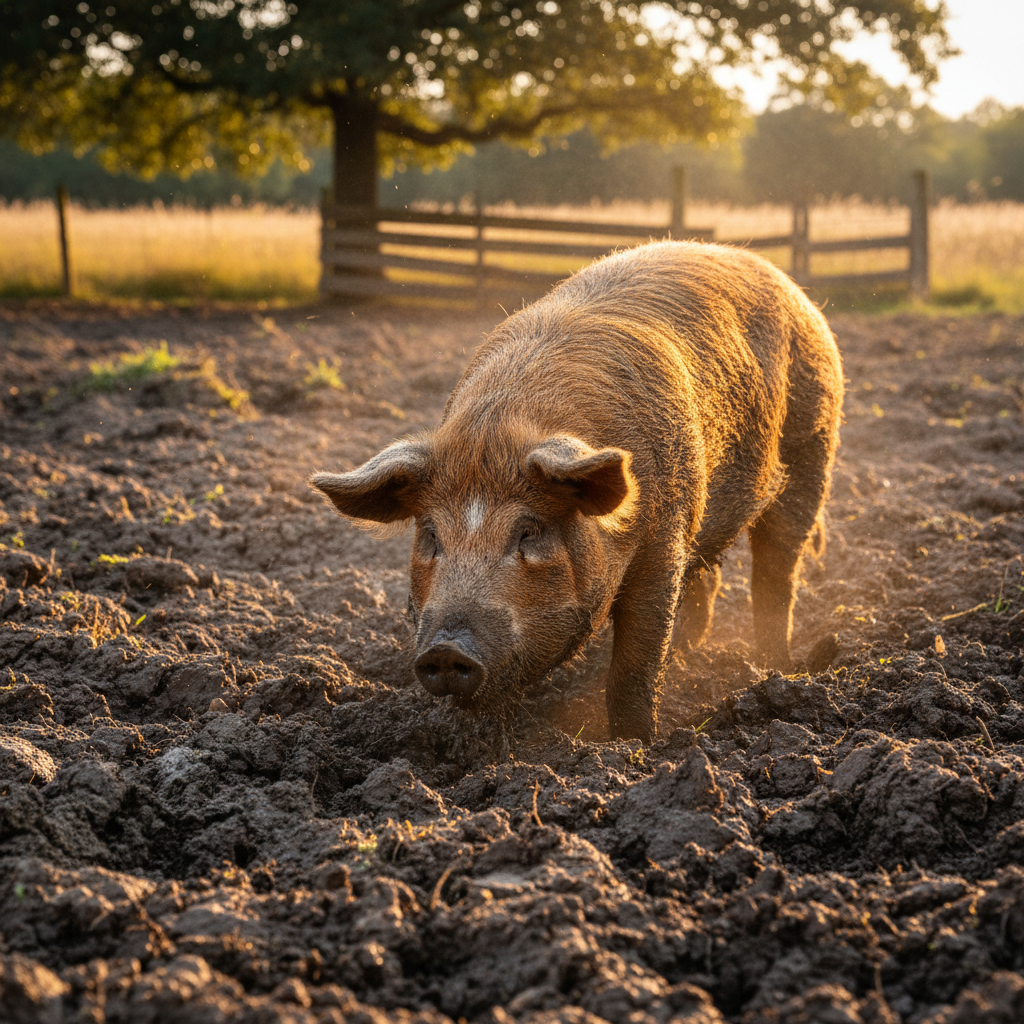
Tamworth pig with distinctive red-gold bristle coat rooting in muddy ground
Threatened

Tamworth Pig

Staffordshire

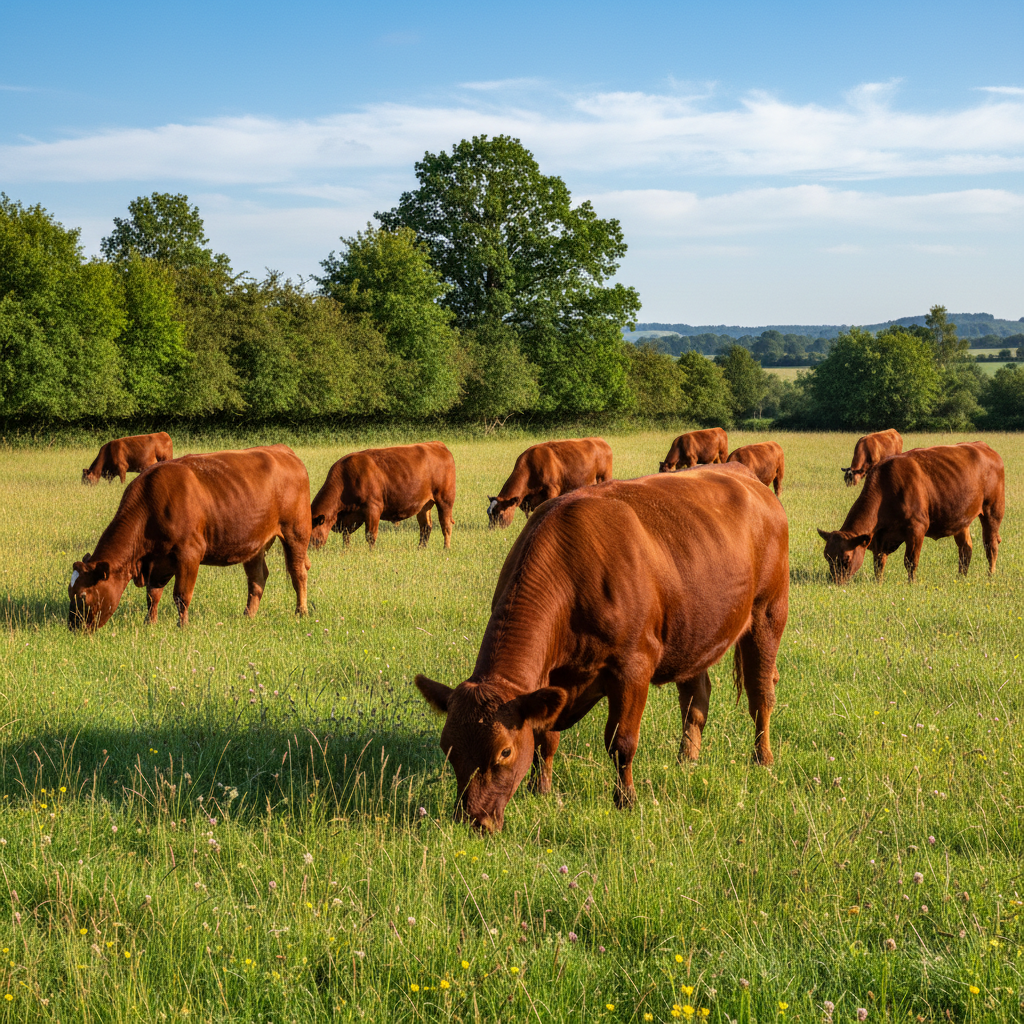
Red Poll cattle grazing in a green meadow with hedgerows in the background
Watch

Red Poll Cattle

East Anglia

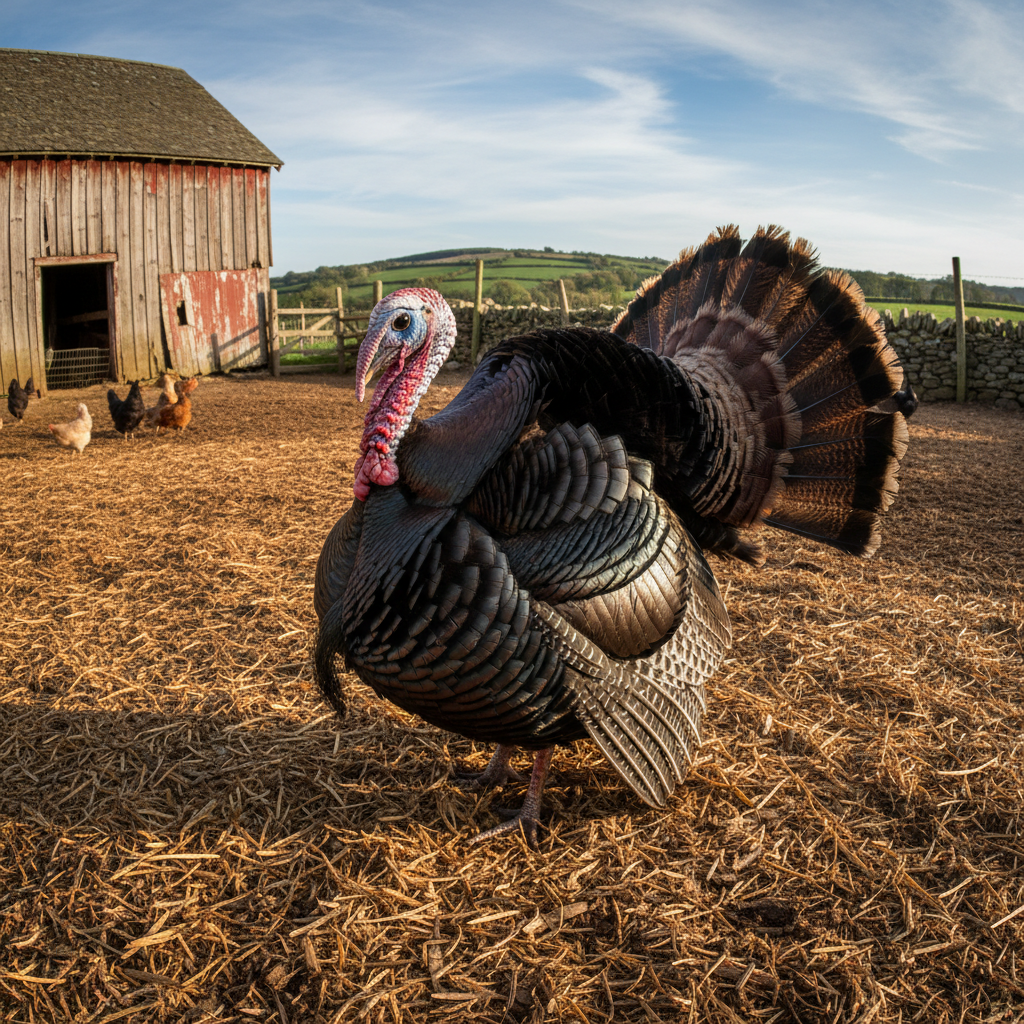
Norfolk Black turkey with iridescent dark plumage in a farmyard setting
Critical

Norfolk Black Turkey

Norfolk

"You arrived at exactly the right moment to matter."